How HCA Healthcare is leveraging COVID-19 data to better care for patients
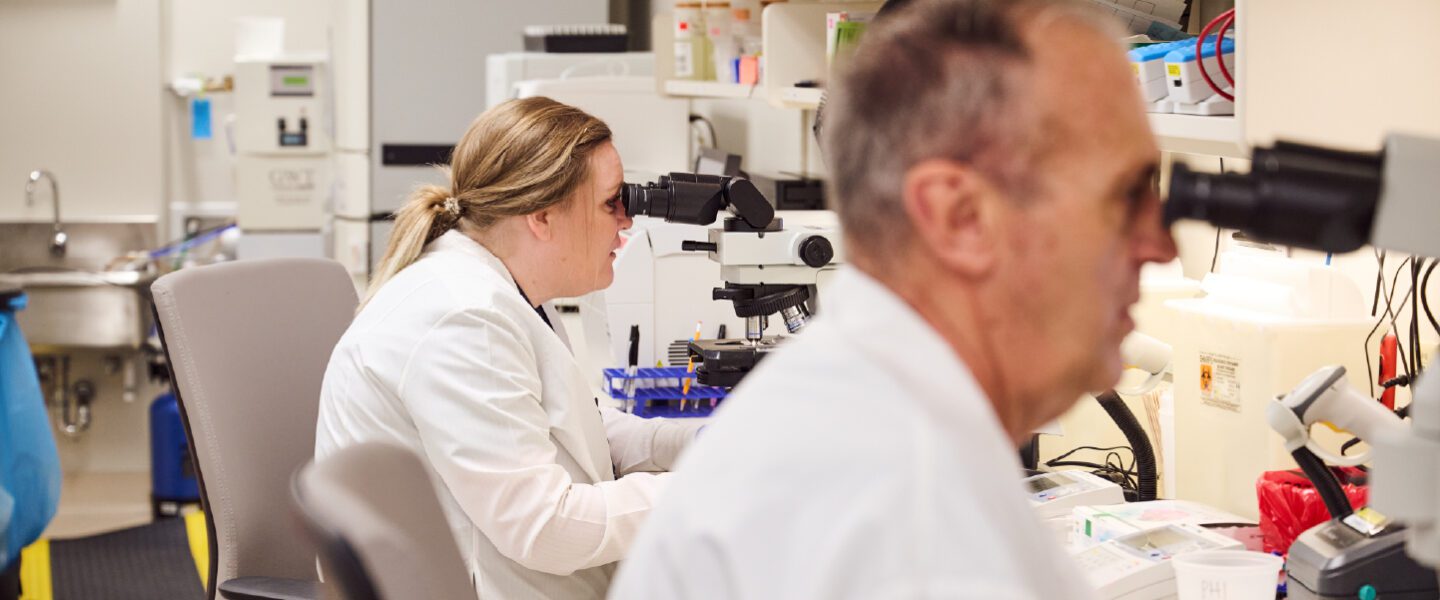
Healthcare organizations faced unprecedented challenges when COVID-19 swept the globe in early 2020. Clinicians and caregivers worked tirelessly to care for patients, while researchers raced to better understand a virus the world had never seen. Guidance and information changed rapidly. Treatments evolved in real time. Countless researchers and healthcare workers around the world tried to understand the mechanisms of this virus and how to mitigate the damage it was causing.
Research had to evolve as quickly as the virus itself. While one institution studied one piece of the puzzle, another medical center studied another. Within months, it became clear that the world was dealing with a highly complicated, persistent problem. HCA Healthcare recognized the best way to solve a puzzle was to first bring the pieces together.
By engaging hospitals, research centers and academic partnerships, HCA Healthcare built a system capable of learning from every patient encounter and quickly turned those insights into action.
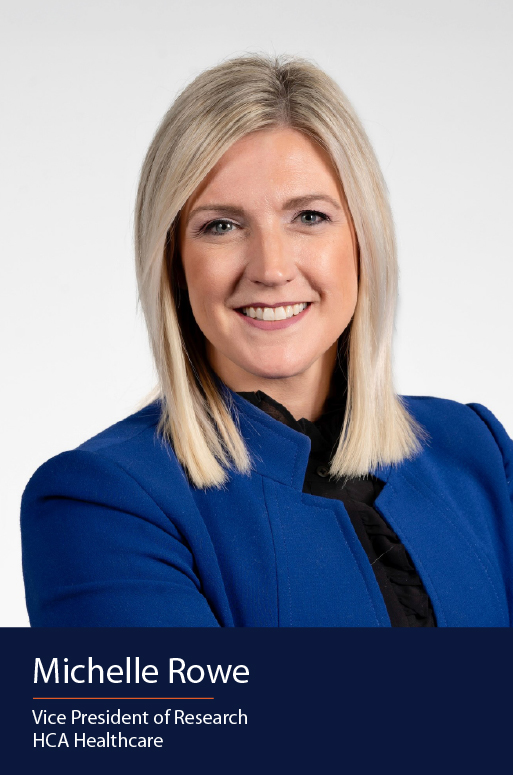
“COVID-19 reinforced the importance of operating as a learning health system. The ability to rapidly gather data, study outcomes and translate those findings into practice allowed us to respond more effectively and continuously improve care for patients across our hospitals,” says Michelle Rowe, vice president of research for HCA Healthcare.
In 2021, HCA Healthcare launched CHARGE, the COVID-19 Consortium of HCA Healthcare and Academia for Research Generation. Led by a vision initiated by Jon Perlin, MD, HCA Healthcare’s former chief medical officer, and operationalized by the HCA Healthcare Research Institute, CHARGE connected researchers and clinicians throughout HCA Healthcare’s national network with academic partners, creating one of the country’s largest collaborative COVID-19 research efforts, a place to hold all the puzzle pieces.
Since its launch, CHARGE has generated more than a dozen peer-reviewed COVID-19 journal articles co-authored by major academic partners. Three additional publications are currently being drafted, which include enterprise-wide, multiyear studies representing all COVID-19 variants.
“The consortium enabled teams across disciplines and geographic regions to contribute to a growing body of real-world evidence,” says Rowe, adding that the work has represented far more than research. “It has been a meaningful, sustained commitment to improving the lives of the patients we serve. Each study, each insight and each collaboration has helped us better understand how to deliver safer, more effective care at scale.”
Cutting-edge research
The scale of HCA Healthcare’s network made CHARGE uniquely impactful. Researchers were able to study the virus from multiple angles at the same time — from treatment effectiveness and infection prevention to surgical safety and pediatric care.
With hospitals, ambulatory surgery centers, physician practices and research sites across the country, HCA Healthcare gathered and analyzed data from a broad and diverse patient population. That reach allowed researchers to identify trends, evaluate treatments and share findings quickly.
The effort extends beyond research teams alone. Physicians, nurses, pharmacists, laboratory professionals, environmental services teams, operational leaders and caregivers across the organization all play a role in supporting the systems and workflows that make large-scale learning — and problem solving — possible.
Through CHARGE, as researchers evaluated emerging therapies, findings began shaping wide-spread clinical protocols. Studies showed that antiviral treatments such as remdesivir and anti-inflammatory medications like dexamethasone improved outcomes for hospitalized patients. Researchers also found that convalescent plasma was associated with reduced mortality and improved clinical trajectories in certain patients.
Other findings now help clinicians better understand risk factors associated with severe illness. Researchers identified abnormal vital signs, underlying health conditions and hyperglycemia as key predictors of mortality. One especially important discovery revealed that elevated blood sugar levels significantly increased mortality risk — even among patients without diabetes.
The research also helped identify therapies that were less effective. Studies found no mortality benefit associated with hydroxychloroquine, supporting broader efforts to move away from treatments that did not improve patient outcomes.
“What started as an urgent response to COVID-19 evolved into something much larger — a stronger foundation for collaboration, research and innovation that continues to shape how we improve care across HCA Healthcare today,” says Rowe.
Translating knowledge into action
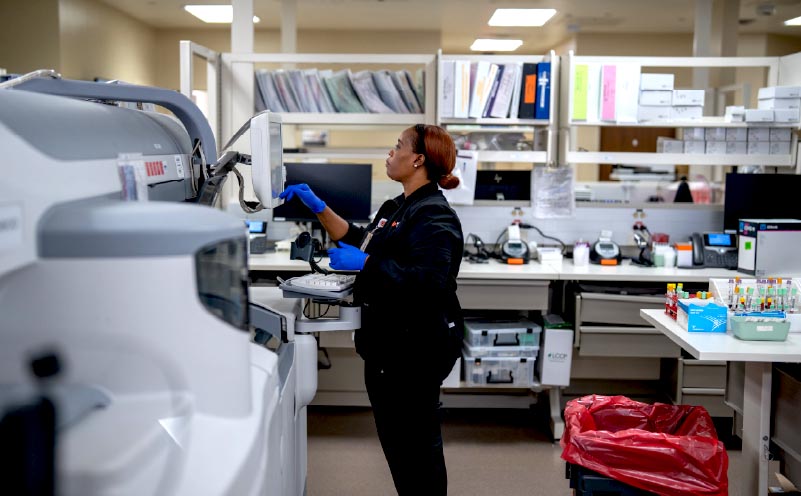
HCA Healthcare’s ability to move quickly from discovery to implementation became one of the defining strengths of its COVID-19 response. Clinicians were able to identify high-risk patients earlier and make more informed decisions around monitoring, escalation of care and discharge planning.
As the global effects of the virus across the human population became more apparent, HCA Healthcare was able to examine trends and adapt its study response. After seeing the devastating effects of COVID-19 on vulnerable populations in particular, CHARGE recognized this as another critical area of study. Researchers examined outcomes among transplant recipients and vulnerable groups like pediatric patients while also studying the broader disruptions the pandemic caused to routine healthcare, including delays in cancer screenings and preventive care.
“At its core, this work reflects our responsibility and privilege to advance care in ways that truly make a difference for patients and communities,” says Rowe.
CHARGE also identified the importance of balancing infection prevention with access to care, as many people were initially denied elective surgery to prevent the spread of the virus. Teams examined how to safely resume elective surgeries and identified risks associated with overly restrictive practices that could unintentionally delay treatment for other serious conditions.
At its core, this work reflects our responsibility and privilege to advance care in ways that truly make a difference for patients and communities.— Michelle Rowe, vice president of research for HCA Healthcare
Research is never done
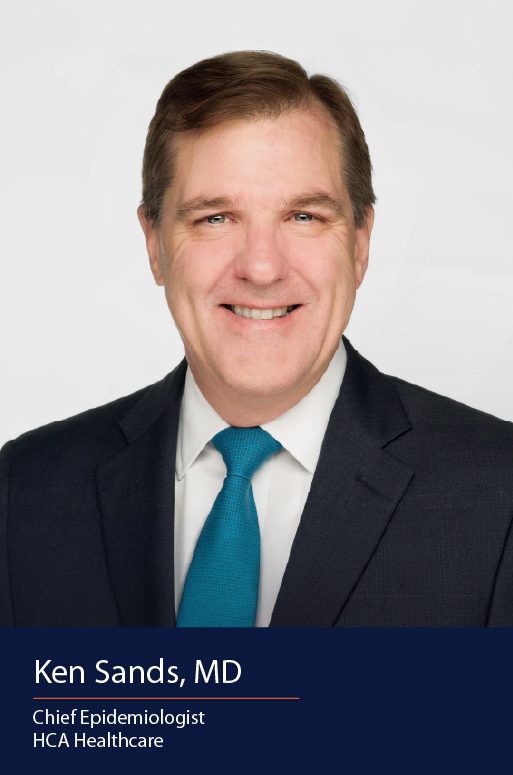
For Ken Sands, MD, chief epidemiologist for HCA Healthcare, the lasting significance of this work lies not only in what was discovered during the pandemic, but also in the infrastructure and collaboration that continue today.
CHARGE is an example of what healthcare leaders call a “learning health system,” an approach in which research, clinical care, operations and data continuously inform one another to improve patient outcomes.
“Throughout the COVID-19 pandemic, this body of work demonstrated the power of a true learning health system,” Dr. Sands says. “By leveraging data at scale and working collaboratively across our network, we were able to generate real-world evidence and rapidly translate those insights into clinical practice.”
Dr. Sands believes the model established during COVID-19 will continue shaping healthcare long into the future.
“Importantly, this approach continues today,” he says. “We are applying the same model of learning, adaptation and implementation to current research and patient care across HCA Healthcare. This sustained commitment ensures that our discoveries generate new knowledge and lead to safer, more effective care for our patients every day.”
Although many Americans now view the pandemic as a chapter in the past, its effects continue to be felt. Millions of people across the country are still living with long COVID, and healthcare organizations continue working to better understand its long-term impact.
At HCA Healthcare, the systems, partnerships and collaborative networks built during the pandemic remain firmly in place. What began as an urgent response to a global crisis has evolved into a lasting framework for research-driven care — one designed not only to meet today’s healthcare challenges, but also to prepare for whatever comes next.
We are applying the same model of learning, adaptation and implementation to current research and patient care across HCA Healthcare. This sustained commitment ensures that our discoveries generate new knowledge and lead to safer, more effective care for our patients every day.— Ken Sands, MD, chief epidemiologist for HCA Healthcare